Common Myths About Termite Control Services Debunked
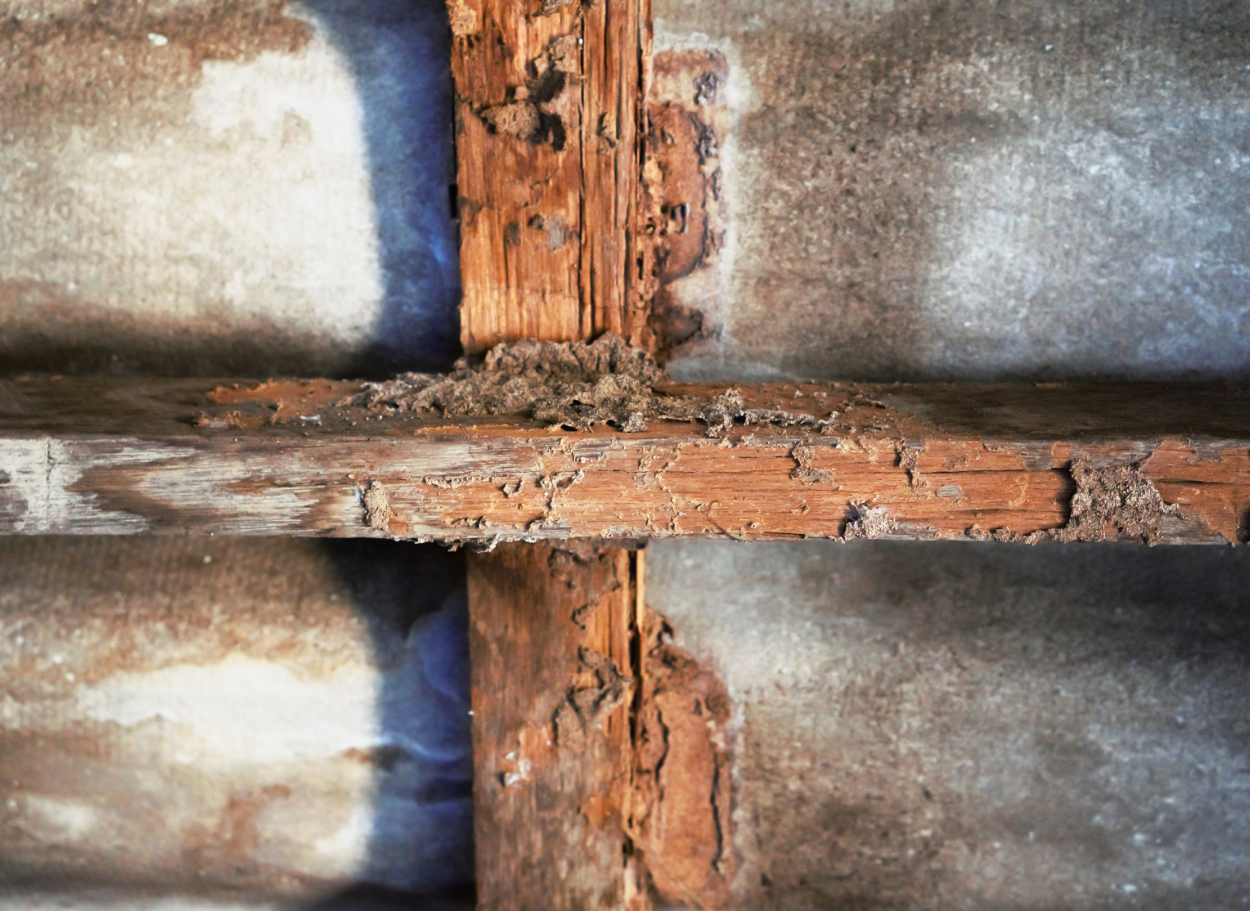
Termites inspire a particular kind of panic, and not without reason. By the time most property owners notice them, they have often been active for months, sometimes years. That delay creates the perfect environment for misinformation. People hear advice from neighbors, scroll through quick fixes online, or assume termite control works like ant or roach treatment. It does not.
I have seen homeowners spend hundreds on sprays from the hardware store while a colony continued feeding behind a bathroom wall. I have also seen the opposite, people so worried about costs that they put off calling a professional, only to face repairs far more expensive than treatment would have been. The gap between what people believe about termites and how termite problems actually work is where most of the trouble starts.
Professional termite control is a field where details matter. Species matter. Construction type matters. Moisture conditions matter. Even the timing of a swarm can change the diagnosis. So it is worth clearing up some of the most common myths about Termite Control Services, especially the ones that lead to poor decisions.
The myth that termites are obvious and easy to spot
One of the most persistent misunderstandings is that termite activity announces itself clearly. People expect dramatic signs, piles of sawdust, loud chewing noises, or insects marching across the floor in daylight. In real homes, termite evidence is usually much subtler.
Subterranean termites, which are among the most destructive and common in many regions, often stay hidden inside wood or travel through mud tubes. Drywood termites can live directly inside structural or decorative wood and leave only sparse clues for long stretches. A homeowner may notice a sticking door, a faint blister in paint, or a section of trim that sounds a little hollow when tapped. Those details are easy to dismiss. They are also the details experienced inspectors pay close attention to.
One reason this myth persists is that people compare termites to carpenter ants or beetles. Carpenter ants may leave more visible debris. Powderpost beetles can produce fine frass. Termite damage is different. Subterranean termites especially are stealth pests. They consume wood from the inside out, often leaving a thin outer layer intact. A baseboard can look solid until a screwdriver presses through it.
That is why inspections matter so much. Good Termite Control Services do not depend on dramatic visible evidence. They depend on pattern recognition, moisture awareness, and knowledge of how termites use a structure.
The myth that termites only target old or poorly maintained homes
This belief can be costly because it gives owners of newer homes a false sense of security. Termites do not check the construction date before they start foraging. They are looking for cellulose, moisture, and access. A five-year-old home built with untreated wood in a moisture-prone area can be just as attractive as a fifty-year-old home.
In fact, newer homes sometimes create their own vulnerabilities. Modern landscaping can place mulch against the foundation. Irrigation systems can keep soil consistently damp. Expansion joints, utility penetrations, and slab cracks can offer access points. During construction, wood debris buried near the foundation or form boards left in contact with soil can also increase risk.
Maintenance still matters, of course. Leaks, poor drainage, and wood-to-soil contact raise the odds of infestation. But termites are not a punishment for neglect. They are opportunists. A well-kept property can still have a termite issue, particularly in warm or humid regions where termite pressure is high year-round.
I once walked through a newly purchased home with polished floors, fresh paint, and every visual sign of careful ownership. The buyers assumed the place was termite-free because it looked immaculate. The hidden problem was a slow plumbing leak behind a tiled shower wall. Moisture had made one framing area ideal for termites, and the damage was discovered only when a trim section softened enough to push in by hand.
The myth that a few winged insects do not mean much
A termite swarm often gets written off as “just flying bugs,” especially in spring or after rain. That is risky. Swarmers are reproductive termites, and while seeing them does not always mean the colony is inside the house, it does mean a colony is nearby. If swarmers appear indoors, especially around windows, doors, or light sources, further inspection is warranted.
Homeowners often confuse termite swarmers with flying ants. The distinction matters because the treatment path is entirely different. Termite swarmers have straight antennae, broad waists, and two pairs of wings of roughly equal length. Flying ants have elbowed antennae, narrow waists, and wings of uneven size. In practice, most people are not going to inspect insect anatomy closely while startled in a kitchen or sunroom. That is understandable. It is also why professional identification is so important.
What gets missed is the timing. Swarming is not random. Different termite species have distinct swarming seasons and conditions. Termite Control Services Inspectors use that context, along with physical evidence at the structure, to interpret what a swarm means. Treating every swarm sighting casually is a mistake. So is assuming it always means catastrophic structural damage. It means the property needs informed evaluation, not guesswork.
The myth that do-it-yourself products solve most termite problems
This may be the most expensive myth on the list. Store-bought sprays, foams, and bait stakes can have a place in very limited situations, but they are not a substitute for a professional termite plan when an active infestation is present.
The core problem is access and diagnosis. Termites are not usually sitting out in the open waiting to be sprayed. They are inside walls, under slabs, within structural timbers, or moving between the soil and the building through concealed routes. A homeowner may kill the insects they see, yet never reach the colony or interrupt the actual infestation pathway.
There is also the issue of product choice and placement. Different active ingredients work differently. Some are repellents. Some are non-repellents. Bait systems require proper installation, spacing, and monitoring. Liquid soil treatments depend on creating a continuous treated zone, which is not easy around patios, garages, additions, plumbing penetrations, or finished basements. Small gaps can matter.
That does not mean every do-it-yourself action is pointless. Homeowners can reduce risk by correcting moisture problems, removing wood debris, and keeping firewood off the ground and away from the home. They can also document suspicious signs and call early. But using consumer products as a stand-in for professional Termite Control Services often creates delay, and delay is what lets damage grow.
The myth that one treatment works the same for every property
Many people ask for “the termite treatment” as if there were a universal method that fits every home. In reality, termite control is more like site-specific problem solving. The best approach depends on the termite species, the structure type, the severity of activity, the accessibility of the affected areas, and the owner’s goals for long-term protection.
A house on a slab with subterranean termite activity may call for one strategy. A historic wood-framed home with drywood termites may call for another. A property with heavy moisture issues and multiple construction additions may need a combination approach plus repairs and environmental correction. There is no one-size-fits-all answer, and any service provider who acts as if there is should raise questions.
Here is where experience really shows. A good professional is not just applying product. They are reading the building. They look at grading, crawlspace ventilation, previous treatment evidence, expansion joints, attached porches, landscaping practices, and patterns of damage. The treatment recommendation should make sense in relation to those conditions.
The myth that bait systems are weak and liquid treatments are always better
This is a familiar debate, and it usually gets framed too simply. Bait systems and liquid treatments are different tools. Neither is automatically superior in every scenario.
Liquid treatments, when properly applied, can provide a strong barrier or treated zone around a structure. In many cases they work quickly and are highly effective. But their success depends heavily on thorough application. Complex foundations, inaccessible sections, drainage concerns, or certain hardscape features can complicate coverage.
Bait systems, on the other hand, rely on termite foraging behavior. They are not a magic shortcut, but they can be excellent for colony suppression or elimination and ongoing monitoring. They are often valuable when full liquid treatment is difficult or when owners want a long-term management program with regular inspection points. The trade-off is that baiting can take time, and it requires consistent professional monitoring.
The real question is not which method wins in theory. The real question is which method fits the property and infestation pattern best. Sometimes the strongest program uses both.
The myth that termite damage is always covered by homeowners insurance
This assumption causes unpleasant surprises. In many cases, standard homeowners insurance policies do not cover termite damage because it is considered preventable maintenance rather than sudden accidental loss. Policy details vary, and property owners should always read their own documents carefully, but counting on insurance to absorb the cost is unwise.
I have spoken with owners who assumed any structural pest damage would be handled the same way as storm or water damage. It often is not. By the time they discover that, they are already facing treatment costs, possible wood replacement, and sometimes the expense of opening finished walls or flooring to assess hidden damage.
That does not mean every termite problem leads to major reconstruction. Some infestations are caught early and repaired with relatively limited carpentry. Others involve mostly trim or localized framing. The point is that insurance is not a prevention plan. Routine inspections are.
The myth that if you do not see new damage, the termites are gone
This belief is easy to understand. A homeowner notices a damaged window sill, treats it with a surface product, does not see additional frass or visible insects, and assumes the problem ended. Unfortunately, termite activity can continue out of sight even when obvious surface signs seem quiet.
Old damage and active infestation are not the same thing, but distinguishing between them takes training and inspection. Professionals look for moisture content, live insects, fresh tubes, recent frass, damaged galleries, and site conditions that support ongoing activity. In some cases, special tools help, but often the most valuable asset is inspection experience.
Termites can also shift locations within a structure. A colony pressured in one area may remain active elsewhere. That is another reason spot treatment alone can be misleading. Silence is not proof of elimination. Verification matters.
The myth that tenting is required for every termite problem
The word “termites” often makes people think immediately of fumigation tents covering an entire house. While whole-structure fumigation is sometimes the right answer, especially for widespread drywood termite infestations, it is far from universal.
Subterranean termites are typically handled with soil treatments, bait systems, or localized methods depending on conditions. Localized drywood treatments may be appropriate when activity is clearly confined to specific accessible areas. In some situations, direct wood treatments or precision injection work very well. In others, localized work would leave too much uncertainty, and fumigation becomes the more responsible option.
This is where honest assessment matters. Some companies lean heavily toward the method they are set up to sell most efficiently. Property owners should ask why a particular recommendation fits their specific case, what alternatives exist, and what limitations come with each choice. There is nothing wrong with tenting when it is justified. The myth is that it is always necessary.
The myth that termite treatment makes prevention unnecessary
Treatment and prevention overlap, but they are not identical. A successful treatment addresses a current problem or creates protective conditions. Prevention is ongoing. It includes inspection, moisture management, structural awareness, and environmental correction.
Even a treated home can become vulnerable again if conditions change. A leaking hose bib, a clogged gutter emptying near the foundation, or a deck post creating wood-to-soil contact can all reopen risk. Renovations can alter treatment continuity. Landscaping can conceal mud tubes. Additions can create new access points.
The owners who fare best over time are usually the ones who treat termite control as part of routine building care, not as a one-time event. That mindset is far more practical than panic, and far more effective than denial.
What careful Termite Control Services actually involve
A professional termite visit should feel methodical, not rushed. The process usually includes several layers of observation and decision-making, especially if the provider is taking the property seriously.
- Identification of the termite type or, at minimum, the most likely category of activity
- Inspection of vulnerable zones such as foundations, crawlspaces, attics, plumbing areas, trim, and exterior wood contact points
- Assessment of contributing conditions including moisture, drainage, grading, and structural access
- Recommendation of a treatment approach that fits the structure rather than a generic package
- Explanation of follow-up needs, warranty terms, and realistic expectations
What matters here is not just whether a chemical gets applied. What matters is whether the provider understands the biology of the pest and the construction realities of the building. A good report should connect those two things. If it does not, the service is probably too shallow.
Questions worth asking before you hire anyone
Termite work is one of those trades where the cheapest quote can become the most expensive decision. Price matters, of course, but so do scope, warranty terms, and inspection quality. A low quote based on a partial perimeter treatment or vague monitoring language may not be a bargain at all.
A few questions tend to reveal a lot. Ask what termite species they suspect and why. Ask whether the recommendation is curative, preventive, or both. Ask what areas are inaccessible and how that affects confidence. Ask what kind of follow-up is included. Ask what conditions at the property should be corrected to reduce reinfestation risk. Strong providers answer clearly and without irritation.
It also helps to pay attention to what they do not say. If no one discusses moisture, wood-to-soil contact, or structural conditions, that is a red flag. Termites do not exist in a vacuum. Real control is never just about product.
The practical reality homeowners should keep in mind
The smartest way to think about termites is neither as a minor nuisance nor as an automatic disaster. They are a structural pest with the potential for serious damage, but outcomes vary widely based on timing, species, and response quality. Myths push people toward extremes. They either ignore warning signs because they believe only neglected homes get termites, or they panic and agree to the first treatment pitch they hear.
A more grounded approach works better. Treat unusual signs seriously. Get inspections from qualified professionals. Understand that treatment methods are situational. Expect prevention to be ongoing. And remember that effective Termite Control Services are built on diagnosis first, product second.
That is the difference between merely reacting to termites and actually managing the risk they pose to a property.
Maximum Pest Control
836 NE 7th Terrace Suite #5
Cape Coral, FL 33909
+1 239-772-7363
FAQ About Termite Control Services
What are two signs of a termite infestation?
Mud tubes along a foundation and piles of shed wings near doors or windows are two signs to investigate. Mud tubes are associated with subterranean termites. A licensed inspector can identify the insect and assess whether there is active infestation.
How many years does a termite treatment last?
There is no single timeline for all treatments. The method, site conditions, and maintenance affect how long protection lasts. Bait systems rely on monitoring and service. Ask the provider for the recommended inspection schedule and the terms of any coverage.
Is Termite Treatment Expensive in Cape Coral?
Cost depends on the termite species, the size and construction of the property, the extent of activity, and the treatment method. Request a written estimate after inspection and ask whether monitoring, follow-up visits, and renewals are included.