Termite Control Services for Older Homes: Key Considerations
Older homes have a way of winning people over. Thick plaster walls, original trim, true hardwood floors, brick foundations, deep porches, and details that modern construction rarely attempts. They also come with a set of hidden vulnerabilities, and termite activity sits near the top of that list.
When I walk through an older property with a homeowner, the conversation usually starts with visible charm and ends in the crawl space. That is where the realities of age show up. Moisture issues that have lingered for decades, settled foundations, patched framing, old leaks around chimneys, and additions built in different eras all create conditions that termites exploit. The challenge is not simply to kill an active colony. It is to understand how age, materials, and previous repairs change the way effective termite control services should be planned and carried out.
A newer home often follows predictable construction methods. Older homes rarely do. The framing may be oversized old-growth lumber in one area and replaced dimensional lumber in another. A porch may have been enclosed in the 1970s. The basement may have partial stone walls with brick infill. Some areas may be accessible, others may be sealed behind finished walls or low clearance crawl spaces. That complexity is why termite work in older homes demands patience, inspection skill, and a control plan that respects both the structure and its history.
Why older homes attract special attention
Termites do not care whether a house is historically significant or newly renovated. They respond to food, moisture, shelter, and access. Older homes often provide all four.
Age alone does not cause an infestation, but aging systems and materials often create the right conditions. Roof flashing that has failed slowly over years can introduce persistent dampness into framing. A settled front stoop can direct water toward the sill plate. An old gutter run with poor pitch can drench one corner of the foundation every storm season. Even a beautiful mature landscape can work against the house if soil, mulch, and plantings hold moisture against wood.
One issue I see repeatedly is the false sense of security that comes from solid old lumber. Homeowners assume dense, old-growth framing is somehow termite-proof. It is not. In some cases, that wood may resist decay better than younger material, but termites can still feed on it, especially where softer springwood is present or where moisture has softened the fibers. Dense timber can sometimes mask damage longer, which is not an advantage if it delays treatment.
Another factor is that older homes often have more entry points. Over time, utility penetrations multiply. Foundation cracks widen. Porch repairs leave concealed voids. Crawl space vents are screened poorly or blocked. All of that makes it easier for subterranean termites to reach structural wood without being noticed.
The inspection matters more than most people realize
A termite treatment plan is only as good as the inspection behind it. In older homes, that inspection should be slower, more investigative, and less reliant on assumptions.
A quick walk around the perimeter and a glance in the basement are not enough. The inspector should be looking for mud tubes, damaged wood, blistered paint, moisture patterns, previous treatment drill holes, inaccessible wall cavities, and signs of older repairs that may have covered prior activity. It also helps to understand the renovation history of the house. A home that has had three additions over ninety years has multiple construction joints, and those transitions often become trouble spots.
One of the most useful conversations happens before the inspection starts. I like to ask when floors began to slope, where paint keeps bubbling back, whether any doors near the rear of the house have started sticking in damp weather, and whether swarmers have ever shown up near windows in spring. Homeowners often dismiss these details as quirks of an old house, but they can point directly to hidden termite pathways.
In older basements and crawl spaces, visibility is often limited. Finished basement walls can hide active shelter tubes. Stored boxes can block sill inspection. Insulation can obscure rim joists. Low crawl spaces may make full access impossible. That does not mean the inspection is useless, but it does mean the findings need to be framed honestly. A good professional should explain what was visible, what was obstructed, and where uncertainty remains.
Construction type changes the treatment strategy
This is where generic advice falls apart. Older homes were built with materials and methods that vary widely by region and era, and those differences affect how termite control services should be delivered.
A home with a full poured concrete basement offers a very different treatment profile than one with a stone foundation and dirt crawl space. Stone and brick foundations can be especially tricky because they contain more joints, irregular voids, and pathways that are harder to seal or treat uniformly. If a home has a rubble stone foundation, you may be dealing with hidden channels where termites can travel out of sight.
Wood-to-soil contact is another frequent problem. In old porches, stair stringers, lattice framing, and siding close to grade, direct or near-direct contact may have been normal at the time of construction. That setup can make infestations more likely and also complicates treatment because even a successful chemical barrier may not compensate for poor structural clearance.
Plaster walls and original millwork also deserve special care. Aggressive drilling can solve one problem and create another if it damages irreplaceable finishes. In a historic home, treatment decisions should consider not just efficacy but also reversibility, appearance, and the risk of collateral damage. That does not mean preserving trim at the expense of structural safety. It means the provider should know how to balance both.
Active infestation versus old damage
Homeowners are often startled to learn that damaged wood does not always mean termites are active right now. Older homes can carry evidence of activity from decades ago, especially if there were previous treatments or renovations.
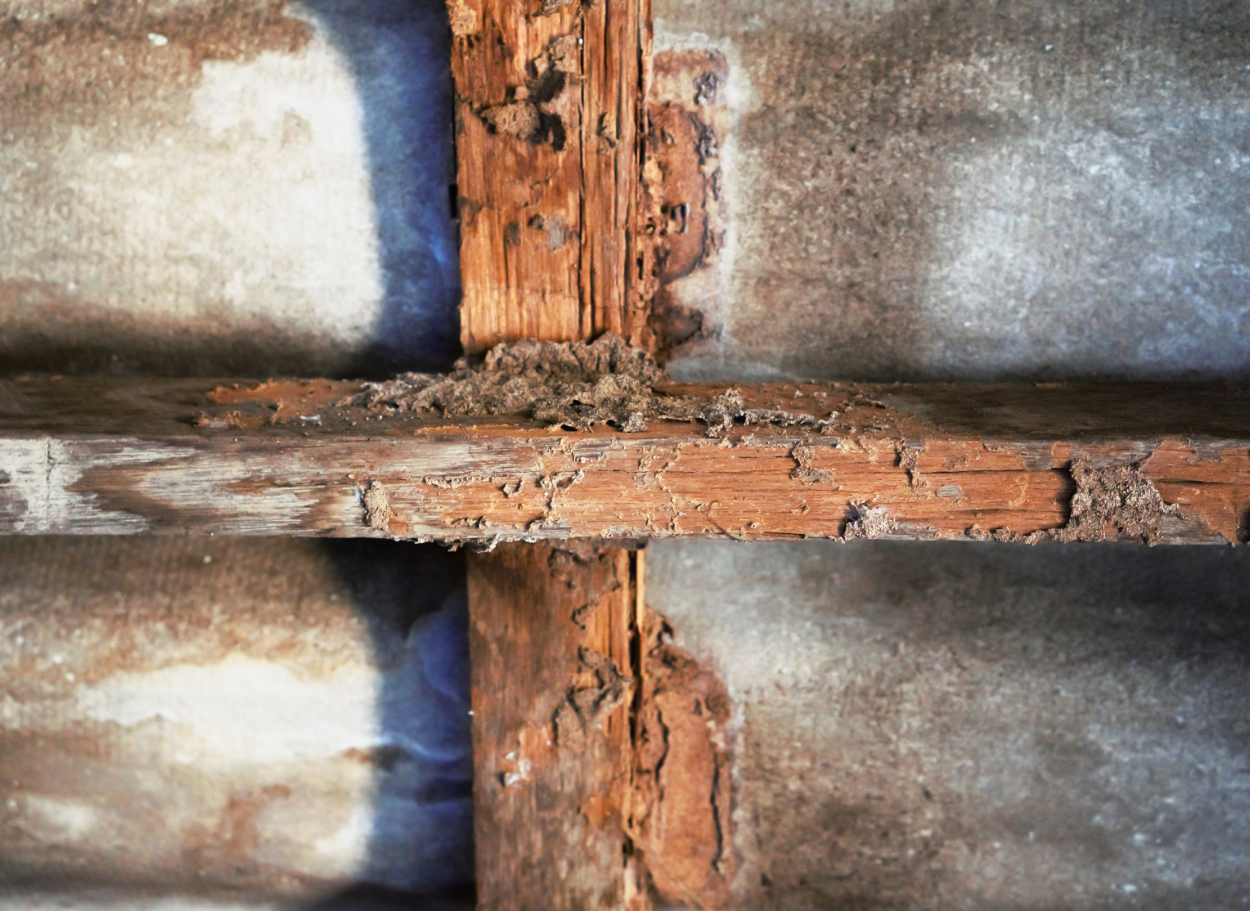
The distinction matters. Active subterranean termites usually leave current mud tubes, live insects, fresh-looking galleries, or moisture-related conditions that support ongoing movement. Old damage tends to appear dry, dusty, and inactive, although it can still weaken the structure and require repair. A careful inspector should be able to tell the difference most of the time, but not always from one visual check alone.
I once looked at a 1920s bungalow where the owner feared a major active infestation because a contractor found damaged joists during a bathroom remodel. The joists were indeed compromised, but the termite activity was old. The current threat came from chronic plumbing leakage and fungal decay that had continued after the termites were gone. The right response was not panic treatment throughout the whole house. It was targeted verification, correction of moisture issues, and repair of the damaged framing.
That kind of judgment matters because overtreating can waste money, while undertreating can allow a live colony to keep feeding.
Moisture control is not optional
If there is one issue that consistently separates temporary relief from durable protection, it is moisture management. Termites need a supportive environment, and older homes often provide it through neglected drainage, humid crawl spaces, and slow leaks that no one sees for years.
Subterranean termites can maintain moisture within their mud tubes, but homes with persistent dampness make survival easier and increase the odds of repeated pressure. In practice, termite control services work best when paired with basic building corrections. That might mean extending downspouts, regrading soil, venting a crawl space properly, covering exposed soil with a vapor barrier, or fixing a decades-old leak around a chimney cricket.
Here are the moisture conditions that deserve close attention in an older home:
- Downspouts dumping water at the foundation
- Crawl spaces with exposed soil and high humidity
- Wood siding or trim installed too close to grade
- Plumbing leaks around old bathrooms and kitchens
- Poor ventilation in enclosed porches or additions
None of these issues automatically means termites are present. Together, though, they create a much friendlier environment for them. When a provider talks only about chemicals and never about water, that is a warning sign.
Choosing the right treatment method
There is no single best termite treatment for every older house. The correct approach depends on construction, infestation pressure, accessibility, soil conditions, and how much of the home can be inspected or treated directly.
Soil-applied termiticides remain a common and effective approach for subterranean termites. When installed correctly around the foundation, they can create a treated zone that termites cannot cross without exposure. In a straightforward modern slab home, that process may be fairly routine. In an older home, it often becomes more complicated because of stone foundations, attached stoops, multiple additions, interior wells, old drainage lines, or finished basements that require interior drilling.
Baiting systems can be an excellent fit in certain situations, especially where a less invasive exterior strategy is preferred or where foundation treatment is difficult. Baits do not rely on forming a continuous chemical barrier in soil. Instead, they intercept foraging termites and work through colony feeding behavior. They require monitoring and patience, but in the right Termite Control Services setting they can be a smart part of a long-term plan.
Wood treatments also have a role, especially where specific structural members are vulnerable or exposed. Borate-based products can help protect accessible wood, but they are not a cure-all for a concealed infestation deep in a complex old structure. They tend to work best as part of a broader strategy.
The key is not choosing the most aggressive method by default. It is choosing the method that matches the house. A provider who recommends the exact same package for every property, regardless of age or construction, is probably selling a system rather than solving your problem.
Repairs and preservation need to work together
Termite control in older homes rarely ends with treatment alone. Once activity is stopped, someone has to decide what damaged materials should be repaired, reinforced, monitored, or left in place.
This is especially important in houses with historical features. Removing and replacing every affected piece of wood may not be necessary, and in some cases it may erase original fabric that could have been stabilized. At the same time, preserving original material cannot justify leaving a structurally unsound sill or joist in service.
The right repair plan depends on extent, location, and load. Cosmetic trim with old, inactive damage may be consolidated or selectively repaired. Structural members supporting concentrated loads may need sistering, replacement, or engineered reinforcement. A careful contractor or structural professional should coordinate with the termite provider so that both active risk and repair scope are addressed together.
I have seen older homeowners spend heavily on beautiful finish restoration while a damp crawl space underneath remained untreated. Six months later, they were opening walls again. The sequence matters. Stop the termite pressure, correct the moisture drivers, then repair and restore.
Watch for signs of past treatments
Many older homes have already been through some form of termite control, and those past efforts can affect what happens next. You may find old drill patches in basement slabs, abandoned bait stations in the yard, or seller disclosures that mention a treatment years ago.
Past treatment is useful history, but it is not proof of current protection. Soil termiticides have service lives that vary by product, soil disturbance, and installation quality. Landscaping changes, trenching for utilities, foundation work, and additions can all disrupt treated zones. Likewise, old bait stations that have not been monitored are mostly just plastic in the ground.
A competent provider should evaluate where earlier work was done and whether it still has practical value. In an older house, it is common to find that one section was treated thoroughly after an issue years ago while a later addition or renovated porch was never included. Those gaps matter.
Cost in older homes is rarely simple
Homeowners understandably want a straightforward price. With older homes, the honest answer is that cost can vary more than people expect.
A simple perimeter treatment on a fully accessible structure is one thing. A three-story house with multiple additions, partial stone foundation, low crawl spaces, interior finished areas that require careful access, and extensive moisture correction needs is another. The difference is not just labor. It is risk, complexity, and the amount of time required to do the work correctly.
The least expensive bid is not always the best value, especially if it skips difficult sections or treats only what is easy to reach. Ask what areas are included, what obstructions could limit coverage, and whether follow-up visits are part of the service. Also ask who handles any necessary drilling patch work and whether moisture or structural concerns discovered during treatment will be documented.
Here are sensible questions to ask before hiring a provider:
- How much of the crawl space, basement, and perimeter will actually be inspected?
- What parts of the home are inaccessible, and how does that affect confidence in the plan?
- Is the recommendation based on active termites, risk factors, or both?
- What follow-up monitoring or warranty support is included?
- How will treatment affect historic finishes, landscaping, or interior access points?
Good answers tend to be specific. Vague reassurances do not help much when the home is 110 years old and patched together across four generations of work.
Seasonal patterns and what homeowners miss
Termite activity does not disappear just because you do not see it. In many regions, swarmers show up in spring, which is when homeowners suddenly notice the issue. But the colony may have been feeding quietly for a long time.
Older homes make this worse because signs can be misread. Slightly rippled trim gets blamed on age. A soft porch post gets blamed on rain. A sticky back door gets blamed on settling. Sometimes those explanations are true. Sometimes they mask a very different problem.
One practical habit helps: pay attention to changes, not just defects. Old homes always have defects. What matters is what is new. Fresh dirt lines on masonry, a hollow sound where solid wood used to ring true, a small pile of wings on a windowsill, bubbling paint that keeps returning in one zone, or a new sag in a porch edge. Those shifts tell a story.
The best long-term approach is integrated, not one-time
The most effective termite control services for older homes are rarely one-and-done. They work best as part of an ongoing maintenance mindset.
That does not mean constant alarm or endless treatment. It means understanding that an older structure benefits from periodic inspection, moisture control, and prompt correction of small issues before they turn into structural ones. Annual termite inspections are often worthwhile in older homes, particularly in regions with high termite pressure, extensive crawl spaces, or a history of previous activity.
It also means coordinating trades. The termite company should not operate in isolation from the roofer, plumber, foundation contractor, or carpenter. If one crew fixes drainage while another opens damaged framing and a third monitors bait stations, the house has a much better chance of staying sound. Older homes respond well to that kind of coordinated stewardship.
The homes that fare best are usually not the ones with the biggest budgets. They are the ones with owners who stay observant, hire carefully, and deal with water problems early. A well-maintained century home can remain structurally excellent. A neglected forty-year-old house can suffer major termite damage. Age shapes the strategy, but maintenance determines the outcome.
What good service looks like in practice
Professional termite work in an older home should feel measured, not rushed. The provider should inspect thoroughly, explain findings clearly, distinguish evidence from assumptions, and tailor recommendations to the structure rather than forcing the structure into a preset package.
You should hear practical language, not scare tactics. If the inspector finds an inaccessible crawl space section, they should say so plainly. If they suspect activity but need confirmation, they should explain the next step. If moisture conditions are as important as the treatment itself, they should emphasize that. And if the house has historical finishes or fragile materials, they should account for that in the treatment plan.
Older homes ask more of everyone involved. They ask more from inspectors because the clues are subtler. They ask more from treatment crews because access is harder and construction is less uniform. They ask more from homeowners because prevention depends on maintenance, not just service calls. But with the right approach, they can be protected effectively.
That is really the central consideration. Termite control in an older home is not just pest work. It is building work, moisture work, preservation work, and risk management wrapped together. When those pieces are handled with care, the house keeps its character and gains something even more valuable, a stronger chance of lasting for another generation.
Maximum Pest Control
836 NE 7th Terrace Suite #5
Cape Coral, FL 33909
+1 239-772-7363
FAQ About Termite Control Services
What are two signs of a termite infestation?
Mud tubes along a foundation and piles of shed wings near doors or windows are two signs to investigate. Mud tubes are associated with subterranean termites. A licensed inspector can identify the insect and assess whether there is active infestation.
How many years does a termite treatment last?
There is no single timeline for all treatments. The method, site conditions, and maintenance affect how long protection lasts. Bait systems rely on monitoring and service. Ask the provider for the recommended inspection schedule and the terms of any coverage.
Is Termite Treatment Expensive in Cape Coral?
Cost depends on the termite species, the size and construction of the property, the extent of activity, and the treatment method. Request a written estimate after inspection and ask whether monitoring, follow-up visits, and renewals are included.